12.5 questions for Barbara Friedrich
Exclusive insights into her career, love of design and first encounter with next125.
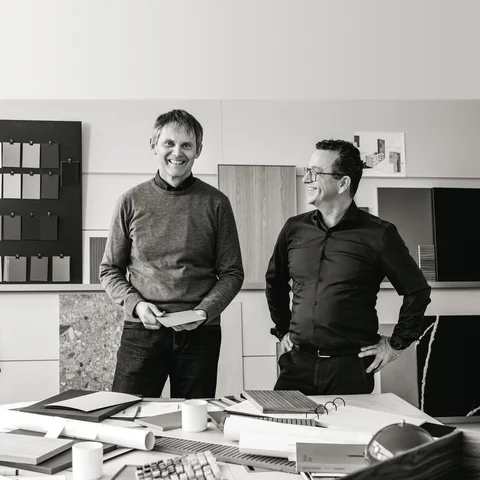
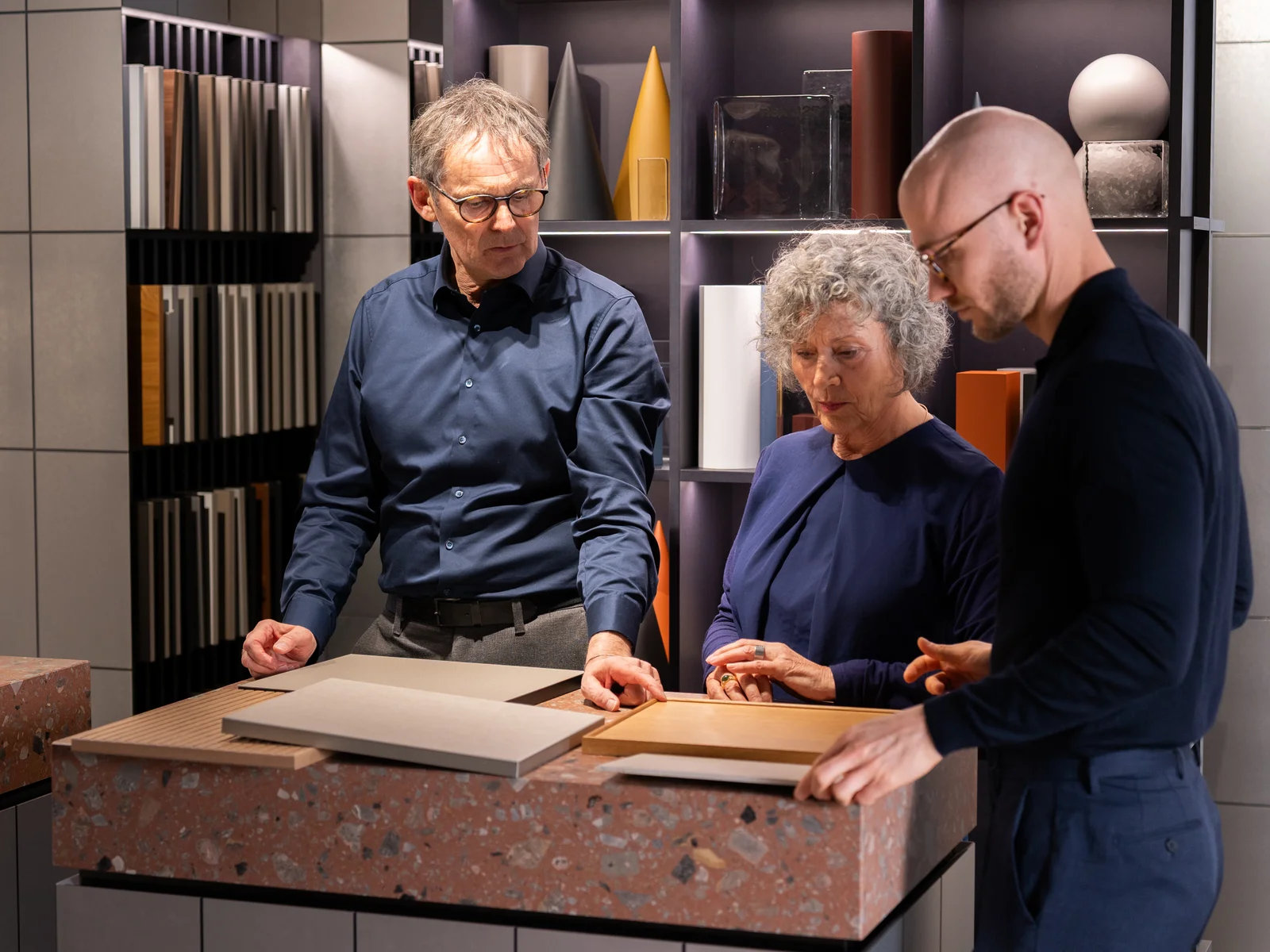
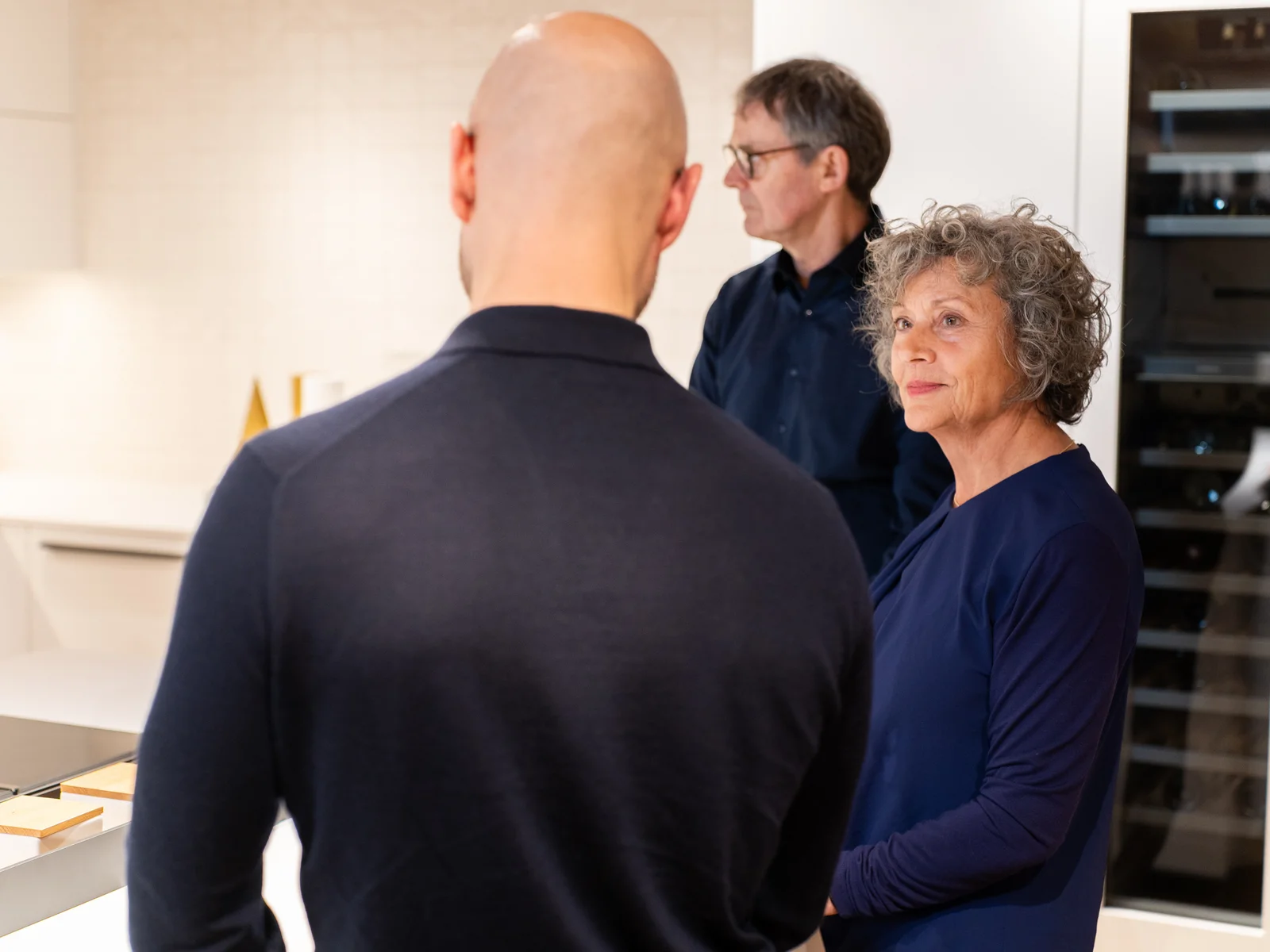
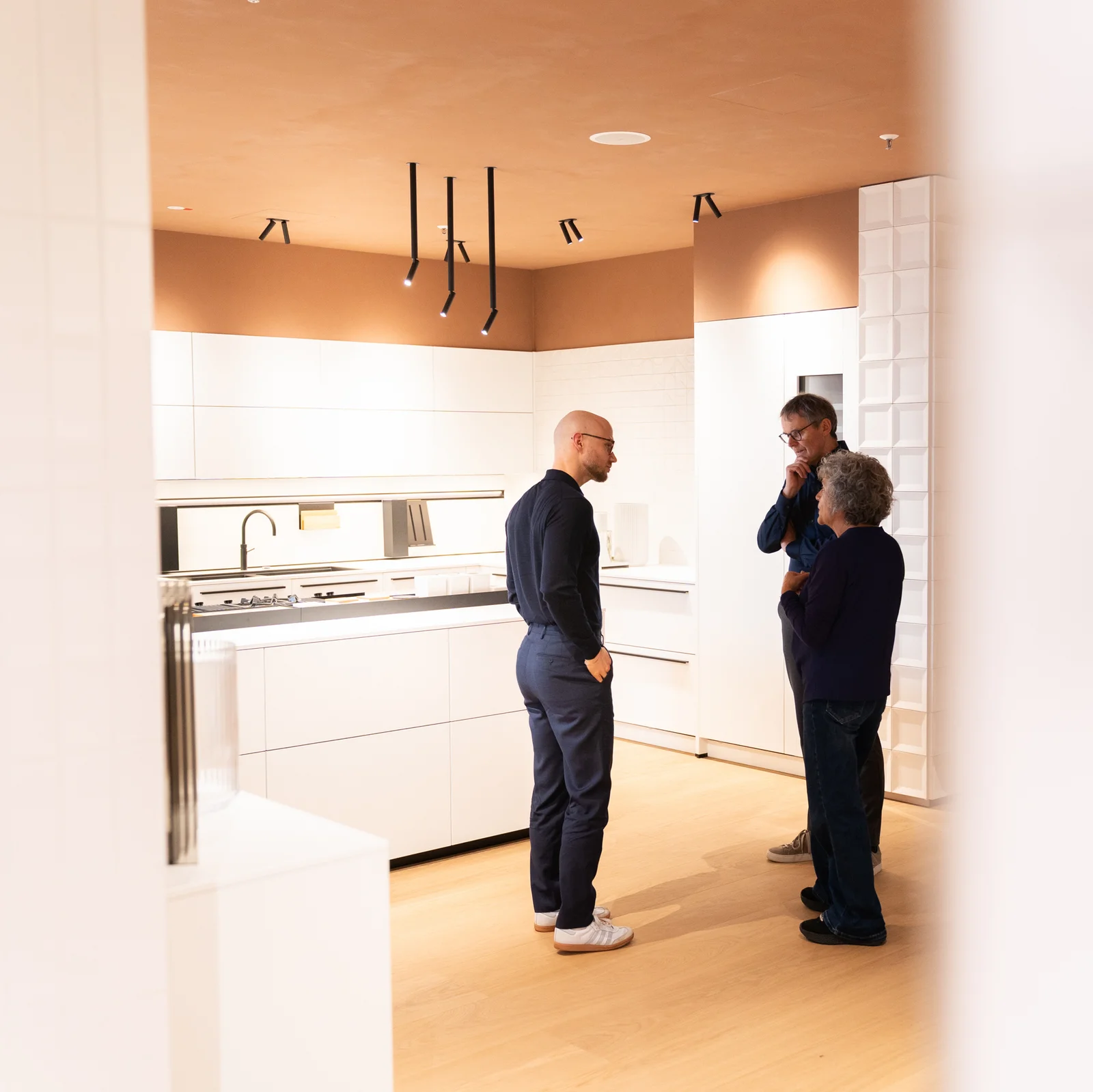
In this design talk, Barbara Friedrich discusses design and function in the kitchen with next125’s chief designers Thomas Pfister and Alexander Röhring. But what is it that sets this renowned design journalist apart? In 12.5 questions, find out what moves and inspires her and what advice she has to give.
#1 Who are you?
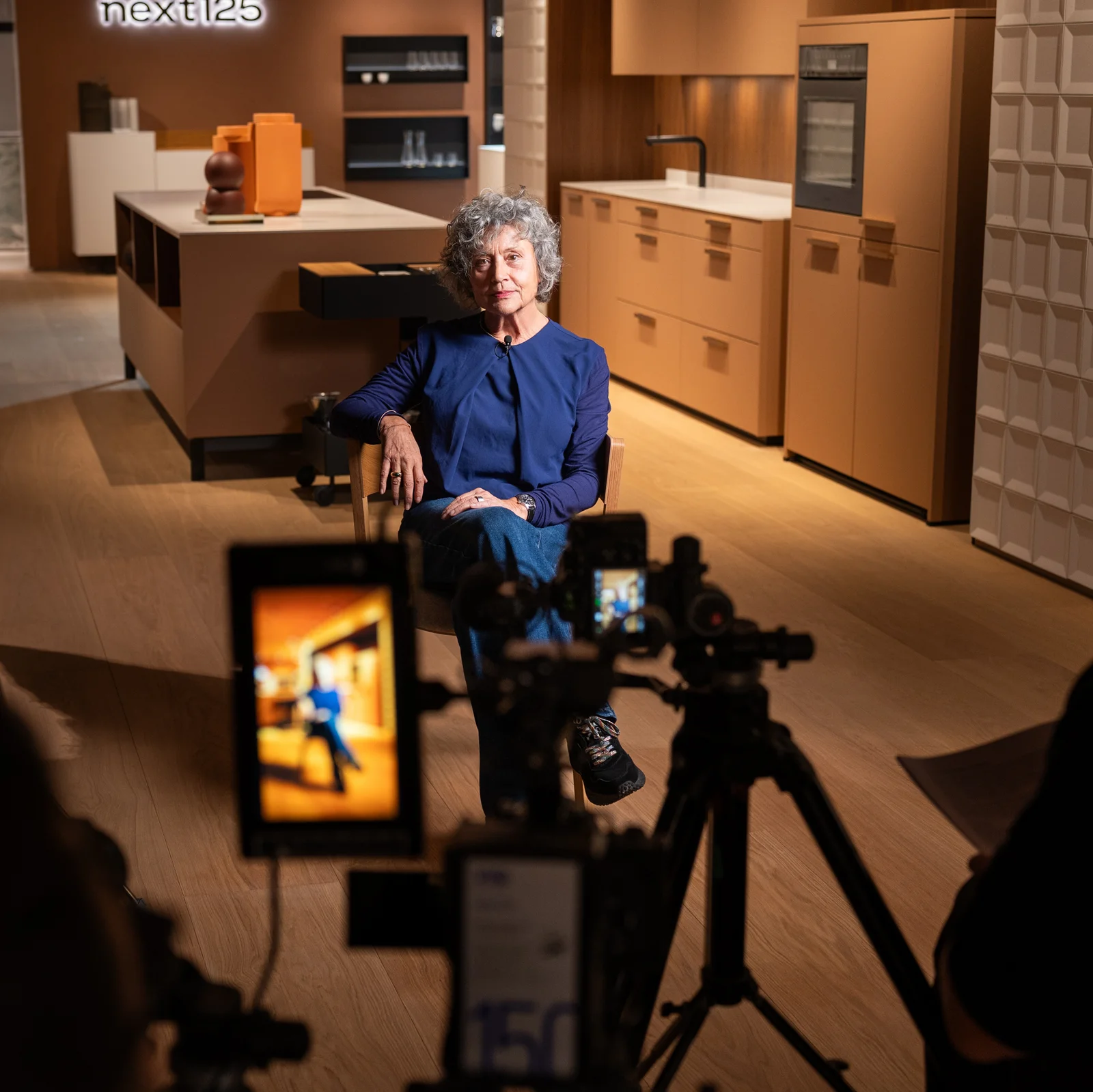
“My name is Barbara Friedrich. I’m a freelance design journalist and presenter and I’m delighted to be here today.”
#2 What do you do for a living?
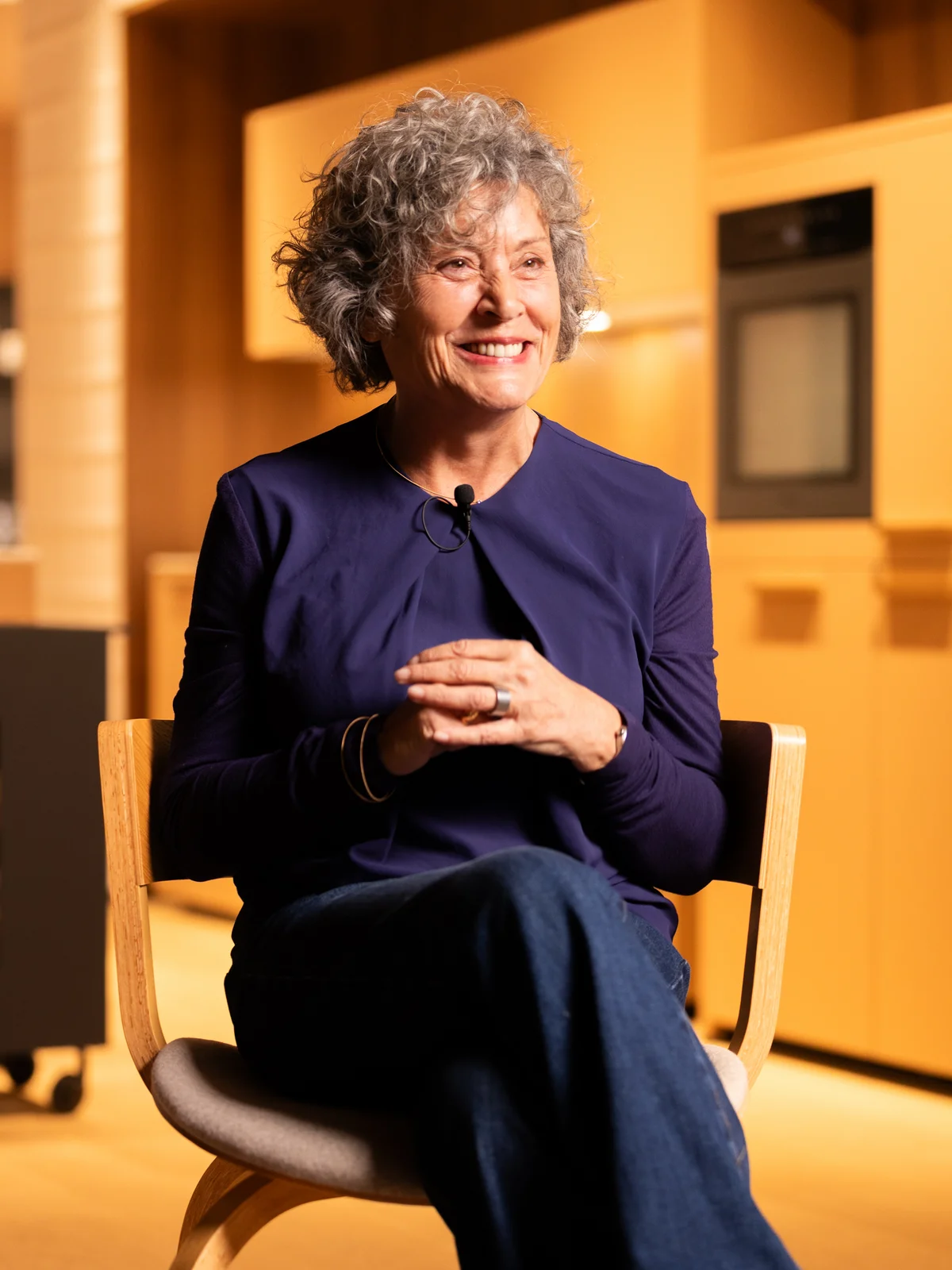
„“In the 1980s, I specialised in design when I was following the Italian ‘Memphis’ design movement as a journalist. It questioned and rejected the rules of purely functional design, referred to as ‘form follows function’, and promoted the ideas that ‘form follows emotion’ and ‘form follows fantasy’, incorporating them into furniture and accessory design.
After that, I expanded on this subject area as a journalist. I had a leading role at several lifestyle magazines before becoming editor-in-chief at the renowned Hamburg lifestyle magazine ‘Architektur&Wohnen’, where I stayed a good 18 years.
Since 2016, I’ve been working as a freelance journalist. Among other things, I write a column about design icons, I’ve produced videos on YouTube on the history of design classics, and I moderate architecture and design talks at trade fairs and sector events.”
#3 What is the essence of your work as a design journalist?
“I’m not a design graduate; instead, I’ve been working intensely on the subject of design since the early 80s and have gained the knowledge needed to do my job.”
#4 What has inspired you?
“My fascination for design started when I went to the international furniture fair ‘Il Salone’ in Milan for the first time in 1984. At that time, I was working as an editor for the lifestyle magazine ‘Ambiente’ at the Burda publishing house in Munich, and I was assigned to go and see what the ‘Memphis’ movement was all about. What happened there was revolutionary at the time. Starting with reputable Italian architects like Ettore Sottsass, there were several designers – including international ones – who asserted that ‘function’ was a secondary matter. It was a radical change and a wild, exciting time!”

#5 When did design become part of your life?
“As a child, I originally wanted to be a pharmacist, like friends of my parents who were quite well-off, or an interior designer. From an early age, I decorated my room myself and often changed it around. But then I didn’t become either; instead, I became a journalist. One reason was a school newspaper I created in secondary school. Observing, analysing and writing about people, events, objects and phenomena – I found and still find that more exciting.”
#6 What is it about your work that drives you?
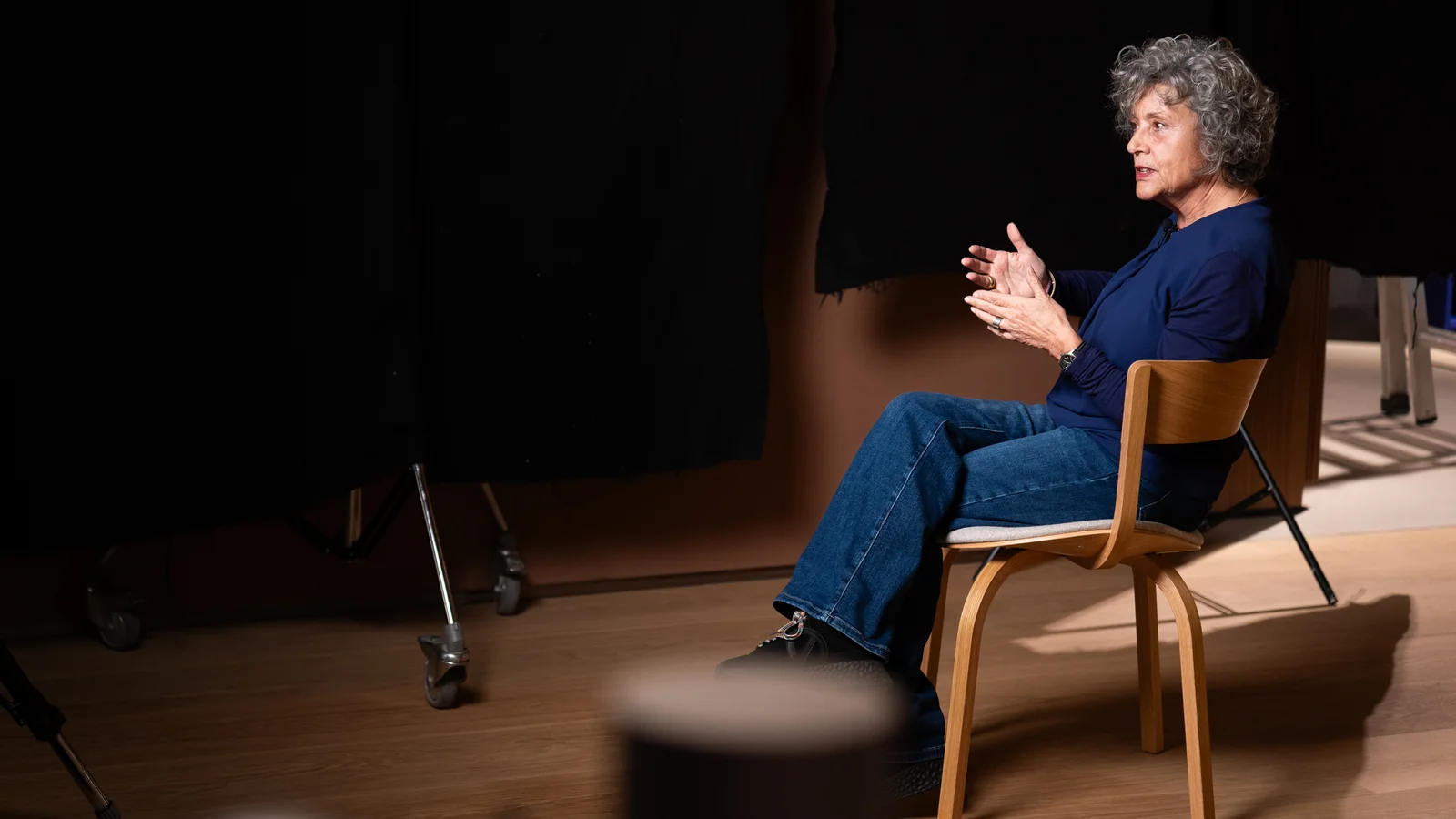
„“My motivation as a journalist is generally reporting and conveying knowledge. As a lifestyle and design journalist, it is inspiring people with good design, beautiful objects and beautiful living. After all, creating a pleasant living environment requires ideas.
I didn’t just decide one day that I wanted to be editor-in-chief. No, it was more ‘learning by doing’. The subject was so interesting and satisfying that I simply took it step by step. As Lao Tzu says: ‘The journey is the goal itself’.”
#7 What does a good design need?
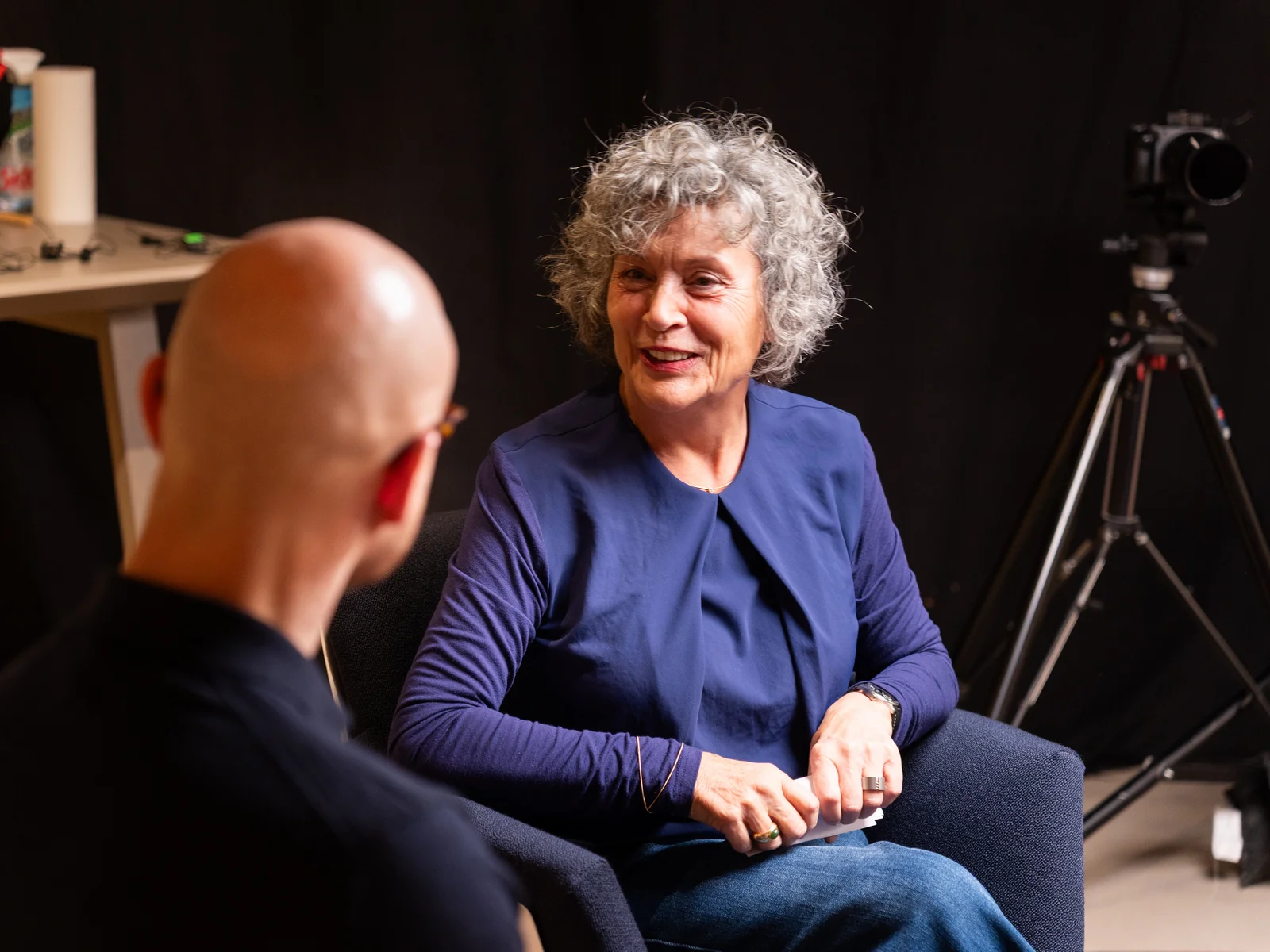
“Ultimately, I think one of the most essential aspects of a ‘good design’ is that it works. The product can be as chic and smart as you like, but if it doesn’t work, it’s rubbish. That doesn’t mean that ‘good design’ can’t or shouldn’t be attractive. In my mind, a good design involves the designer – and of course the manufacturer – thinking about how the user will get the most satisfaction out of it. To sum it up in a sentence: good design must serve the user. Both functionally and emotionally. That’s very important to me.”
#8 What would you always take into account when decorating a room?
“To start with, it depends on the room. And, of course, you should always ask yourself: what would I like and what do I need?
If I like cooking, I would, of course, like the room that I cook in to be as well equipped as possible so that it serves its purpose. Then I need a corresponding kitchen design with appliances like a hob and oven, a well-functioning refrigerator and of course storage space.”
#9 When did you become aware of next125 for the first time?
“I can’t say exactly when it first happened, but it was, of course, during my time as editor-in-chief. And it was through this eye-catching advertisement that you published in the 2010s. Living creatures were wandering through the fancy kitchens and I thought: wow, that’s brave. That’s really going to divide opinions! Any rabbits, hens and lambs running around there usually end up in the oven. I found it extremely bold for a kitchen brand to present itself in that way – and it’s stuck in my mind ever since. After all, that’s the purpose of advertising: to reach, inspire and incite people – and make them think.
I recently visited the production department at the Schüller furniture factory in Herrieden in Franconia for the first time. It was absolutely fascinating how precisely quality furniture is created there on the assembly line using the latest technology and logistics to deliver around 760 kitchens every day. Impressive!”
#10 What fascinates you about next125?
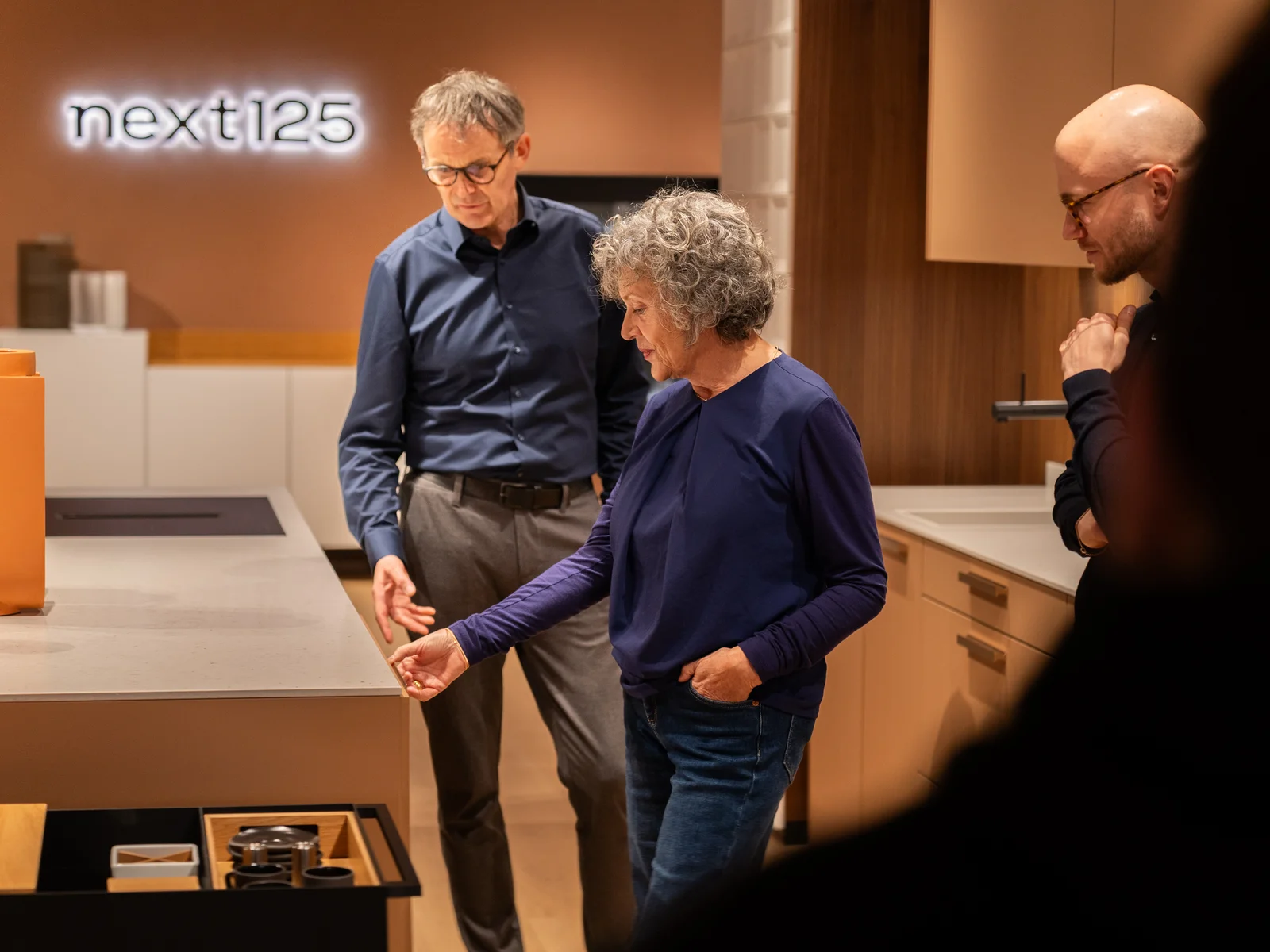
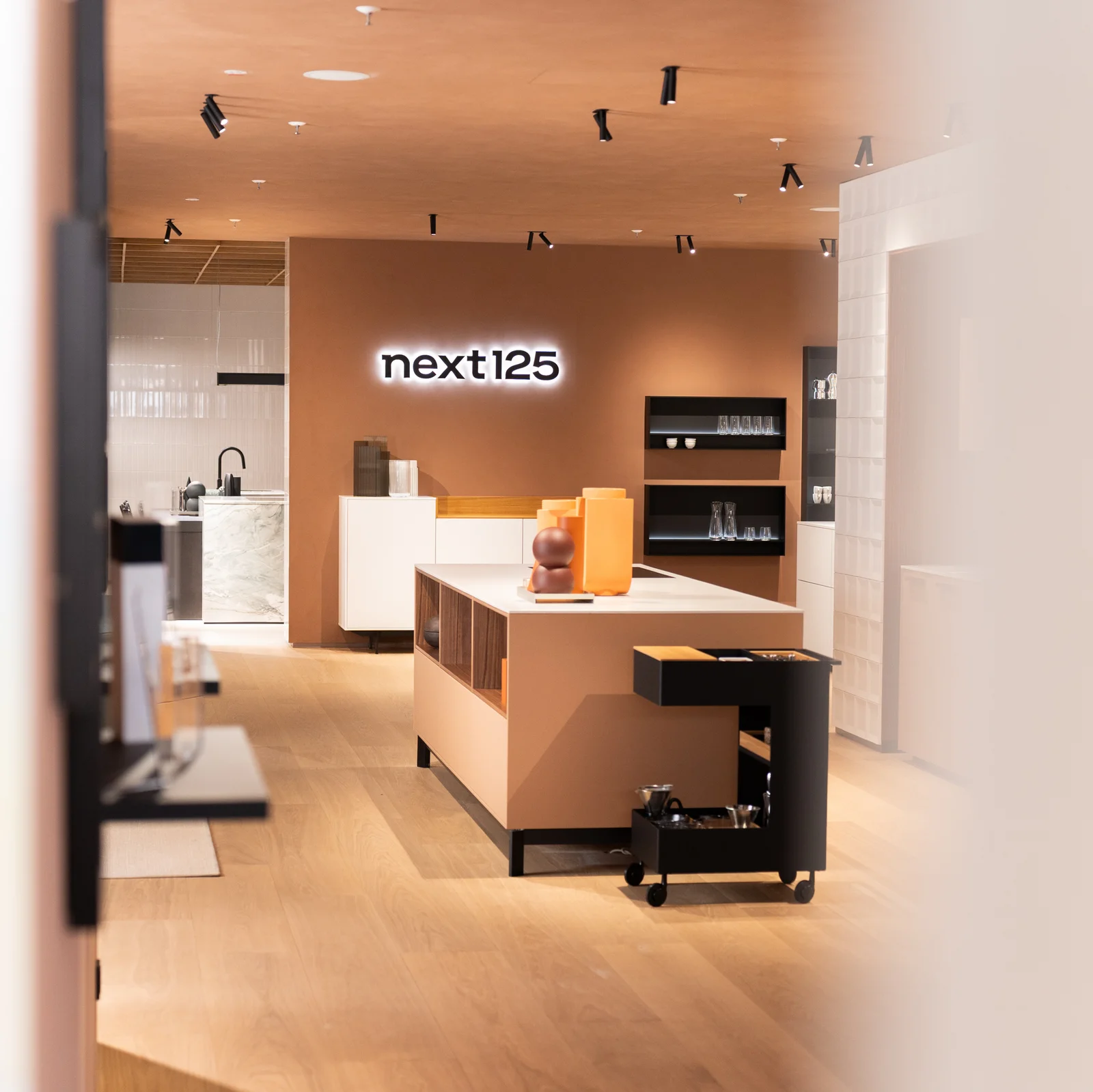
“What especially fascinates me about the next125 brand is that it comes across as more approachable than so-called ’architectural kitchens’. In a certain ad motif – I won’t name the brand – the kitchen stood there like a monument in the room. I could hardly imagine anybody really cooking in there. But with next125, it’s different. You get the feeling that people actually cook in there. It’s approachable and authentic. And then there’s the feel of the fronts, the thought that’s gone into the handles. It’s simply wonderful!”
#11 How would you advise new first-time buyers to get their information?
“Definitely get suggestions from lifestyle, design and decor magazines. Of course, you can also find information on the internet.”
#12 What are your three tips for furnishing a new home?
“Ask yourself what you would prefer, then choose what you like and make sure that it’s not over the top. Everyone should first decide what’s important to them. More storage space and appliances, or more free space. There are people who suffer from ‘horror vacui’ and can’t stand empty spaces. Decor is important to them rather than minimalism. But there are also people like me who say: ‘For heaven’s sake! So many things around me, it feels oppressive.’ They live a life in which ‘less is more’.”
#12.5 What is an absolute must in a kitchen?
“I’m going to say something now that you normally only hear from men, but I think that a kitchen needs to have good knives.”
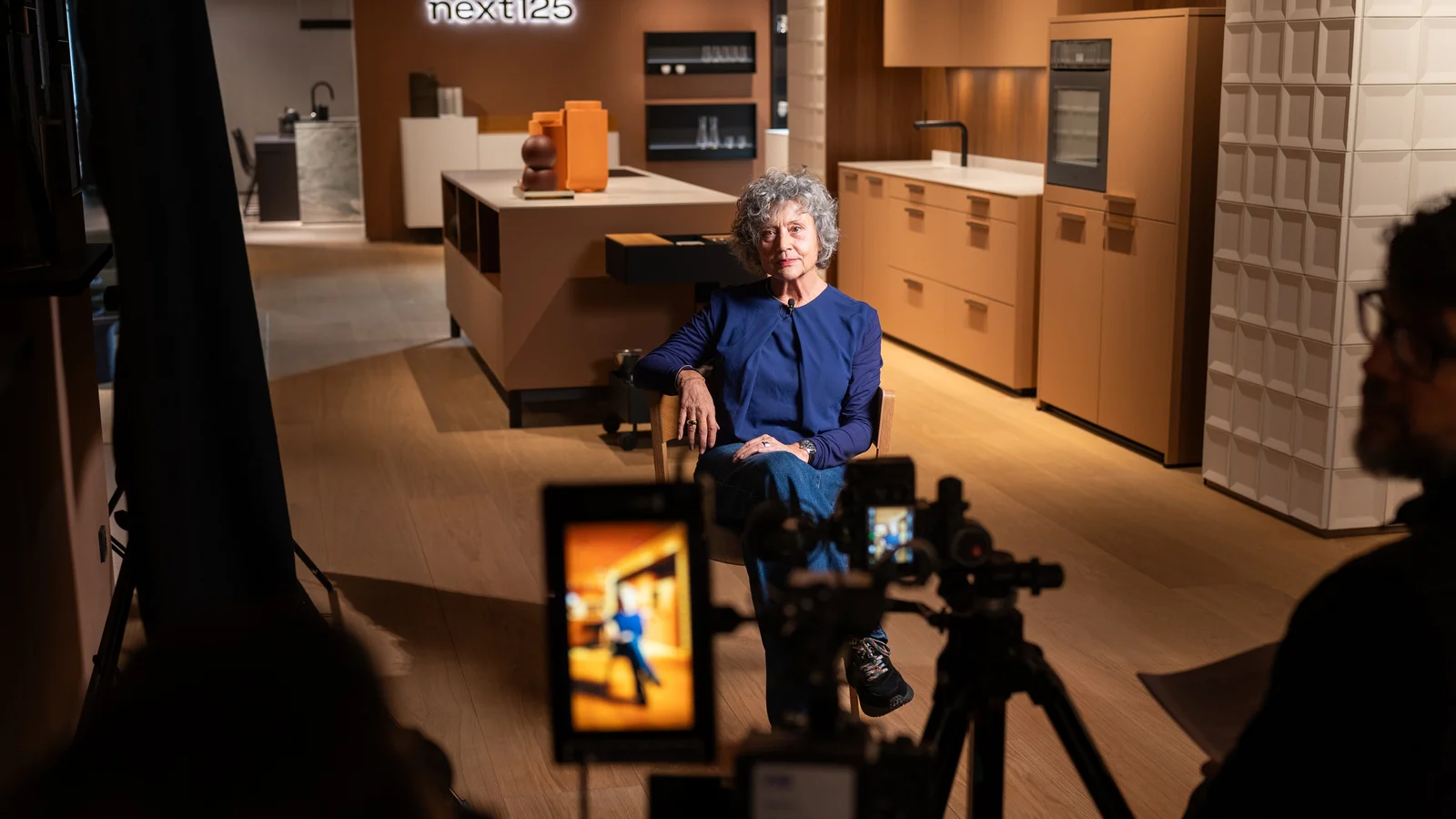
In this design talk, to mark the occasion of next125’s 25th anniversary, Barbara Friedrich discusses design and function in the kitchen with next125’s chief designers Thomas Pfister and Alexander Röhring. Here you can learn how next125 came to be and how it has evolved.